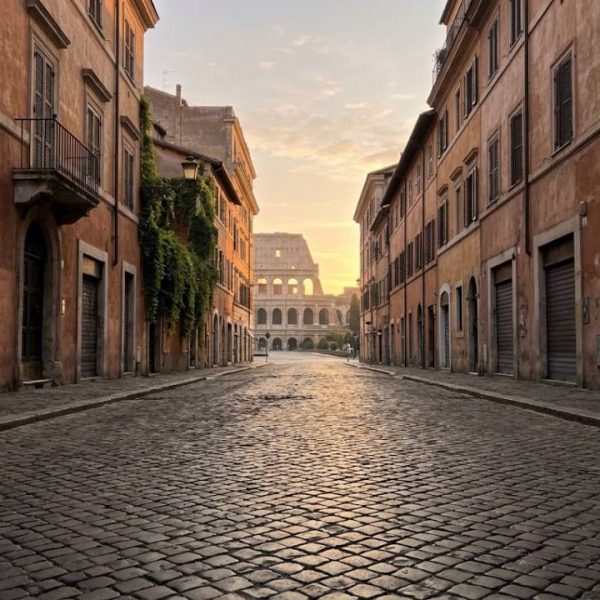
Rome rewards visitors who arrive with a plan and punishes those who try to see everything. The city is packed with ancient ruins, baroque fountains, quiet courtyards and restaurants that deserve a long lunch. A first visit works best when you pick a rhythm and accept that you will leave things for next time. Three well-paced days beat six rushed ones. This itinerary keeps the walking sensible and the queues short.
Before you go
Book the Colosseum, the Vatican Museums and the Borghese Gallery ahead of time, because these timed entries sell out in busy months. Spring and autumn offer pleasant weather and thinner crowds. Pack comfortable shoes, since cobblestones are unforgiving, and bring a scarf or shawl for churches that require covered shoulders.
Day one, ancient Rome
Start early at the Colosseum, then walk through the Roman Forum and up Palatine Hill. A combined ticket covers all three, and the views from the hill over the Forum are worth the climb. Eat lunch in the Monti district, where small trattorias serve carbonara and cacio e pepe at fair prices, then spend the afternoon at the Capitoline Museums.
Day two, Vatican and the river
Reserve the first slot at the Vatican Museums and head straight for the Sistine Chapel before the tour groups arrive. St. Peter's Basilica follows, and climbing the dome gives a wide view of the city. After a late lunch in Prati, cross the river to Trastevere, where narrow lanes fill with music and wine bars after sunset.
Day three, fountains and gardens
Begin at the Trevi Fountain before the crowds, then climb the Spanish Steps and wander toward Piazza Navona and the Pantheon. If you have a reservation, finish at the Borghese Gallery and relax in the surrounding park. Leave one evening free for nothing at all, because Rome is best when you sit in a piazza and watch the city pass.
Getting around
The historic center is compact, and most sights are within walking distance. Metro lines reach the Colosseum and the Vatican area quickly, while buses and trams fill the gaps. Taxis use fixed fares from the airports, so confirm the price before you board. Watch for pickpockets near major stations and on crowded buses.
Where to eat well
Skip restaurants with photo menus facing a tourist square. Look for short menus, handwritten daily specials and tables full of locals. Try supplì as a snack, artichokes in season, and a classic pasta in each district. Coffee is quick and cheap at the counter, and the price rises if you sit.
When a trip becomes a long stay
Some visits grow into something bigger, such as a destination wedding, a study semester or a work posting. In those cases, offices ask for paperwork that visitors rarely expect. Residence permits, tax numbers, rental contracts and university forms often need an official document translation before an Italian clerk will accept them.
Weddings add their own layer. Couples planning a ceremony in Rome typically submit civil records in advance, and each document must match the original exactly. A guide to certified translation for marriage certificates explains how to prepare papers for visas and civil offices.
Where to stay
Central areas such as Monti, Trastevere and the streets around Campo de' Fiori put the sights at your door but cost more. Neighborhoods near Termini station are practical for transport, and quieter districts like Testaccio mix local life with good food. Read recent reviews and check noise levels if you are a light sleeper.
Day trips worth the time
Ostia Antica offers a well preserved Roman port town, an easy train ride from the city. Tivoli combines two grand villas and gardens. Castel Gandolfo and the Alban Hills give a cool escape in summer. Plan one day trip only, so the main city does not feel hurried.
Money, tipping and etiquette
Cards are widely accepted, though small cafes may prefer cash. Service is often included in restaurant bills, and a few extra coins are a polite thanks rather than a requirement. Greet shop staff with a quick buongiorno, and avoid sitting on monument steps, which can lead to fines.
Helpful official information
For event calendars, museum hours and current notices about closures, the city's tourist board runs Turismo Roma, a reliable place to check before you book. Opening times change around holidays, so confirm details a week before you travel.
Seasonal tips
Summers are hot, so visit sights early and rest in the afternoon. Winters are mild and quiet, with shorter queues and lower prices. Easter and Christmas draw huge crowds around the Vatican, so book far ahead if you travel then.
Leaving room for surprises
Some of the best moments in Rome are unplanned: a small church with a hidden Caravaggio, a fountain in a quiet square, a family restaurant that fills up at nine. A good itinerary gives you structure without taking away the surprise. Choose a few highlights, move slowly and let the city do the rest.